At Keuka College, real-world learning is built into the student experience from day one.
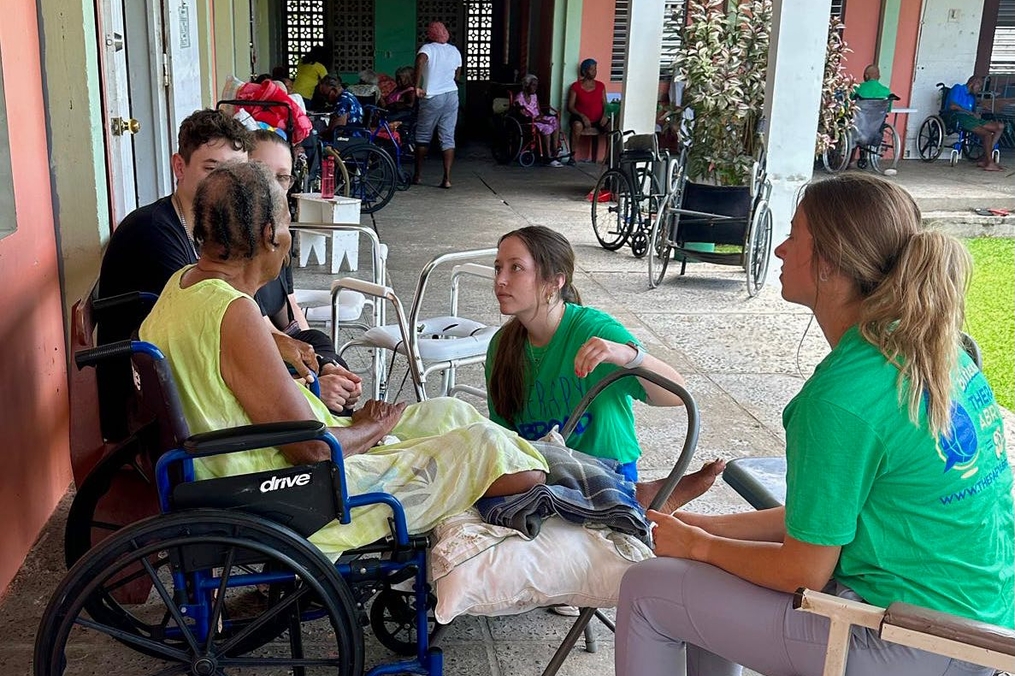
Through the College’s signature Field Period® program, every student, in every major, has the opportunity to complete an internship or another meaningful experiential learning experience every year.
So, when this post from a LinkedIn Top Voice started making the rounds on social media, it caught our attention:

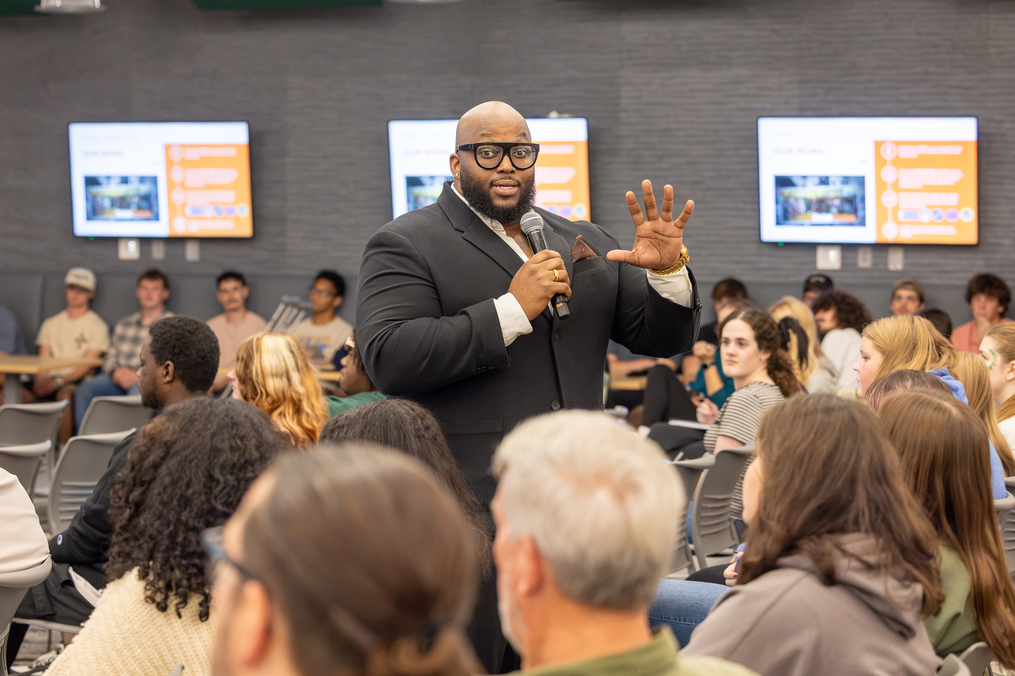
Brandon Busteed, CEO of Edconic, shares an eye-opening observation.
That eye-catching statistic comes from the Gallup Alumni Survey, an initiative Brandon Busteed launched while serving as Gallup’s executive director of education and workforce development.
Today, Busteed is CEO of Edconic, a company that develops hands-on educational programs connecting high school and college students with leading companies, institutions, and industries.
Given Keuka College’s longstanding emphasis on experiential learning, we wanted to hear more. What makes internships so powerful? How can colleges help students translate experience into meaningful careers? And what role does experiential education play in preparing graduates to lead in their fields?
Busteed was kind enough to sit down with us to share his perspective. Here are five takeaways from the conversation:
1. Communication Skills Win
“Employers consistently say they want graduates who can communicate effectively and work well with others,” Busteed says. “Any opportunity students have to practice collaborating on a team, interacting with colleagues in a workplace, and learning which tasks or roles suit them best is incredibly valuable.”
Keuka College’s Field Period program gives students those opportunities every year. Faculty members and professional advisors help students identify meaningful experiences, prepare for them, and reflect afterward – strengthening the communication, collaboration, and workplace skills employers value most.

“I started my Field Period with Ameriprise Financial Services over the summer. After I completed my required 120 hours, they asked me to stay on – and before I graduated, they offered me a full-time job.”
2. Challenges and Feedback Fuel Growth
“Those two things might seem outside an intern’s control, but students can help shape both,” Busteed says. “They can ask what kind of work they’ll be doing and who they’ll be working with. If the work isn’t challenging enough, they can ask for more responsibility. And if they aren’t getting useful feedback from a manager or team, they can ask for it.”
That kind of self-advocacy is a key part of the Field Period experience. Students work with faculty and advisors to shape meaningful opportunities, set clear learning goals, and reflect on what they gained from the work – helping them become more intentional and confident participants in their own professional development.
3. Experience Tells the Story
“A student’s story about their experience can be what sets them apart in the job market,” Busteed says. “They can’t be vague about what they learned in the classroom or on the job. They need to point to specific examples of how their academic work informed their professional experience – or how their experience helped bring classroom learning to life.”
That’s one reason reflection is such an important part of Field Period. After each experience, students identify concrete takeaways and make clear connections between what they learned in class and what they encountered in the field.
4. Internships Build Talent Pipelines
“Internships are critical for student success and one of the best ways companies can build a strong talent pipeline,” Busteed says. “The internship-to-hire ratio is dramatically better than the job-posting-to-hire ratio, and employees who previously interned with a company tend to stay longer than other new hires. For employers, the return on investment is hard to ignore.”
Keuka College’s Field Period program is designed to make those connections valuable for students and employers alike. Student preparation and advising are paired with business partnership and development efforts that help host organizations create meaningful experiences, build relationships with emerging talent, and identify potential future employees.

“At Keuka College, students can explore their interests, try something new, and connect classroom learning with the world beyond it. We support them throughout the process while giving them ownership of an experience that’s meaningful to them.”
5. Support Makes a Difference
As Busteed wrote in Forbes, “There were 8.2 million college students who wanted an internship last year; only 3.6 million got one. That means we’re 4.6 million internships short.”
In our conversation, Busteed connected that national shortfall directly to the importance of institutional support: “A college that provides an internship support structure for every student is investing in one of the most important ways to help students take their first steps onto the career ladder.”
That’s exactly the kind of structure Keuka College has built around Field Period. Dedicated advisors, one-on-one faculty guidance, a digital networking platform, drop-in sessions, study-abroad opportunities, and scholarships all help students identify, prepare for, and pursue meaningful experiences.
“It’s really great to see everything Keuka College is doing on this front,” Busteed adds. “It’s truly inspiring.”
Where Will Field Period Take YOU?
Every year. Every major. Endless possibilities. Discover how Field Period helps Keuka College students turn classroom learning and personal interests into meaningful real-world experience – and explore what’s possible for you.